Collection: Philomé Obin (Cap-Haitian, 1891-1986)
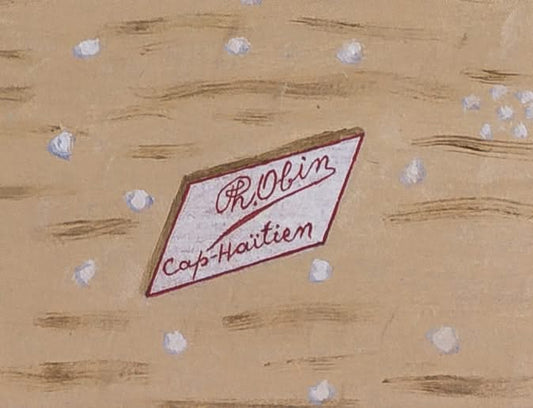
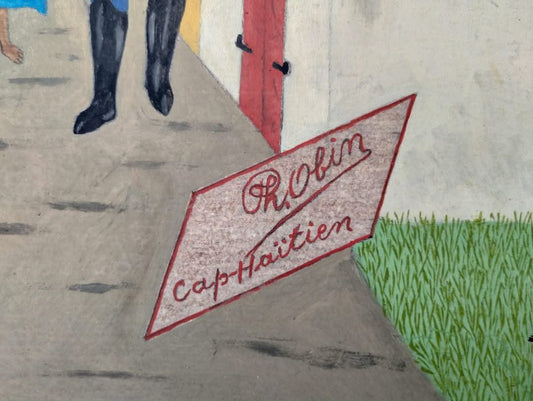
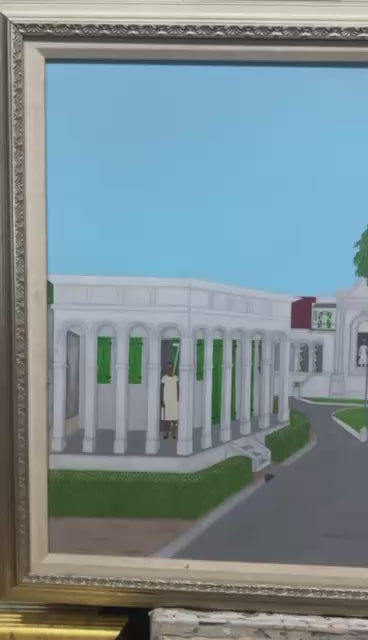
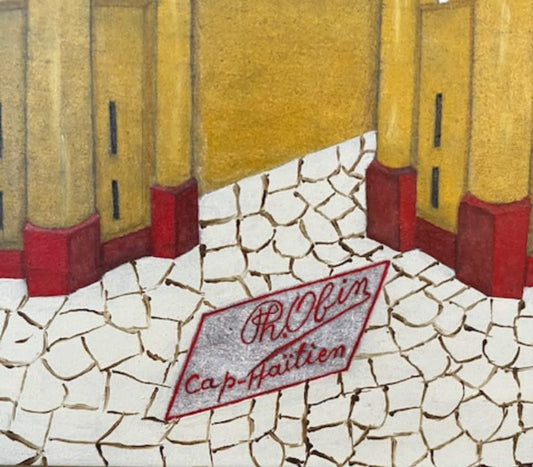
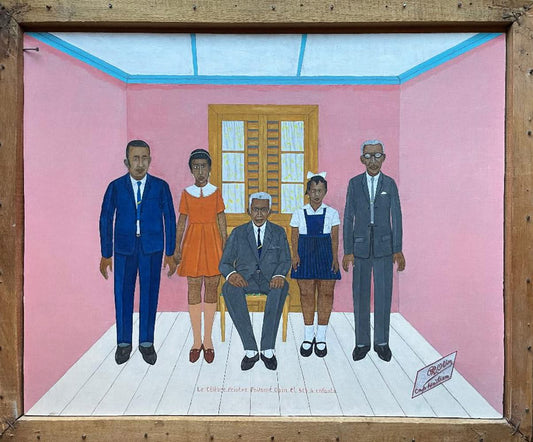
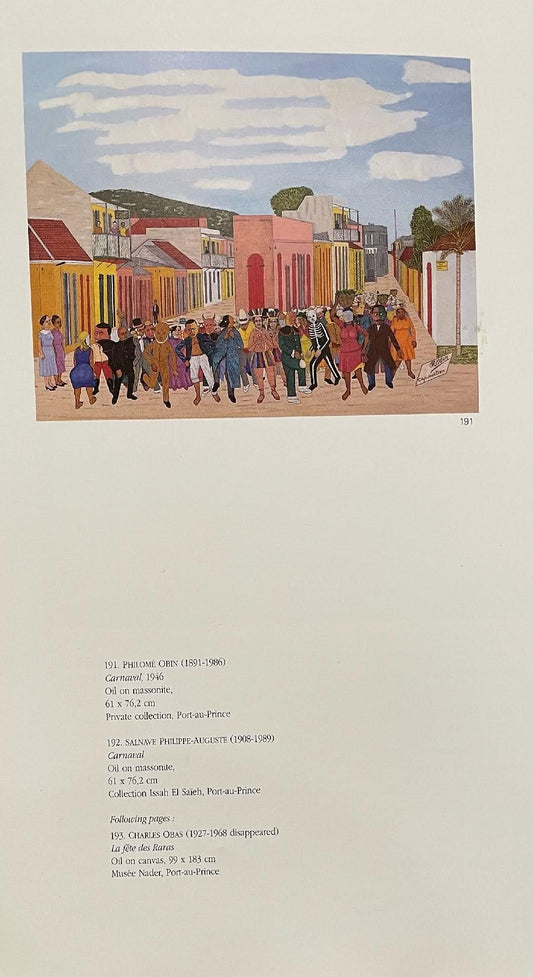
Philomé Obin was born in Cap-Haïtien, Haiti, in 1891 and died in 1986. A descriptive, self-taught painter, Obin is admired for the subtle distortions and intuitive approach that give his work its unmistakable charm. He joined the Centre d’Art shortly after its founding in 1944, and although he achieved fame later in life, his success never altered his humble lifestyle or artistic style. Obin is recognized as the father of the Cap-Haïtien school, a distinctive northern tradition that portrays daily life, street scenes, and historical events connected to Haiti’s colonial past. His precise, linear compositions and clear narrative style became the foundation for generations of northern Haitian painters. During his career, Obin painted two murals for the famed Episcopal Cathedral of Sainte Trinité in Port-au-Prince—masterworks sadly destroyed in the January 12, 2010 earthquake. His paintings are featured in major museum collections, including the Museum of Modern Art in New York, the Milwaukee Art Museum, and the Figge Art Museum in Davenport, Iowa, home to one of the most significant Haitian art collections in the United States. Jacqueline Kennedy Onassis even traveled to Cap-Haïtien specifically to view his work. His paintings have also been sold at Sotheby’s and Christie’s in New York. Alongside Hector Hyppolite, Philomé Obin is considered one of the earliest and most influential founders of Haitian painting. His works appear in all major Haitian art collections and are referenced in every leading publication on the subject. As Gérald Alexis notes in Peintres Haïtiens, “Obin’s concern with precision and the respect of reality injects a measure of coldness into his narrative works.” Get the Book Now! Please scroll down to make your selection(s)!